
Jeannette Ehlers – a double bill
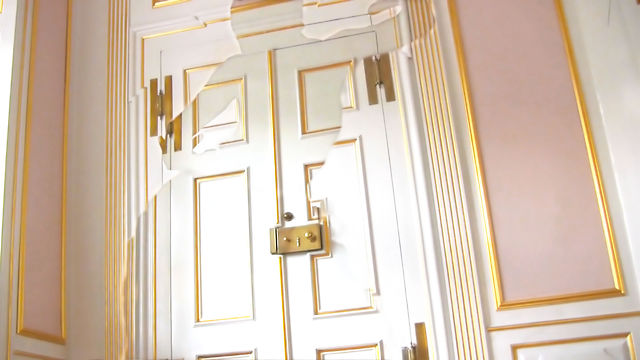
Black Magic At The White House
2009, 03’46”
SYNOPSIS
In Black Magic at the White House (2009) Ehlers performs a voudou dance in the Danish mansion Marienborg, which has a strong connection to the Transatlantic Slave Trade. Marienborg was built as a summer residence for the Commander Olfert Fischer in 1744. Several other of the period’s trading men have owned and put their stamp on Marienborg, and today it still plays an important role in Denmark, as the official residence of the country’s prime minister.
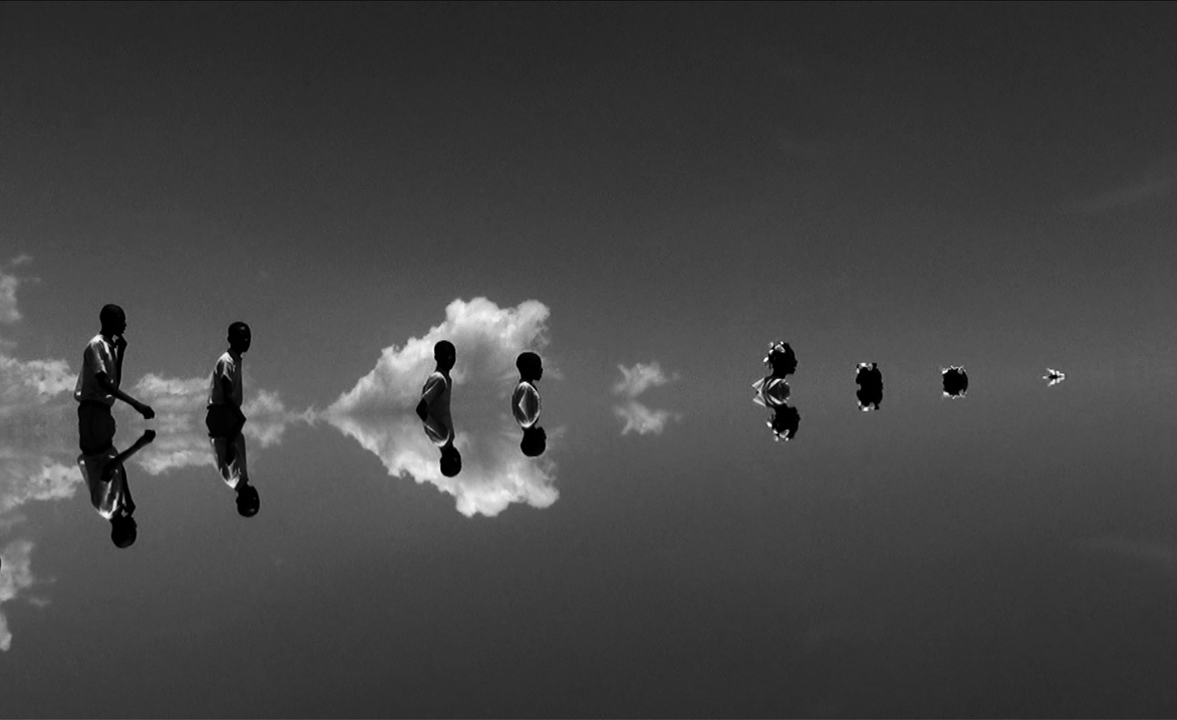
Black Bullets
2012, 4’33”
SYNOPSIS
Black Bullets (2012) was filmed on location in Haiti and is inspired by The Haitian Revolution. On the 14th August 1791 the calls of Liberté, Eqalité, Fraternité echoing in the streets of Paris are heard across the Atlantic by the African slaves in the French colony of Saint-Domingue (Haiti). The slave revolt of 1791 culminated in the defeat of the French at the Battle of Vertieres in November 1803, and the abolition of slavery and foundation of the independent republic of Haiti – the world’s first black republic and the only state to be formed through a successful slave revolt.
But the rebellion began with the legendary Vodou ceremony Bois Caïman in the northern part of Saint-Domingue. A black pig materialized and was sacrificed in a ritual in which hundreds of slaves drank the pig’s blood. The blood gave them power to fight for freedom.
Black Bullets is a tribute to this act of revolt.
JEANNETTE EHLERS
Jeannette Ehlers is based in Copenhagen, Denmark. Her works revolve around the transatlantic slave trade and draw on the artist’s own ethnic background, a Danish mother and a Father from Trinidad, to investigate questions of meaning and identity.
LINKS
Details of Say It Loud, Ehlers 2014 solo show at Nikolaj Copenhagen Contemporary Art Center, can be found here.